
Richa TandukarApril 10, 2026
Creator Economy Marketing: How Brands Win with Influencer Campaigns | Veel
In the past decade, the digital world has seen a massive shift. Social media has evolved from a place to post selfies and memes into a full-blown economy, the creator economy. If you’ve ever wondered how Instagram or TikTok stars build businesses, launch products, or drive massive marketing campaigns, it’s all thanks to this growing ecosystem.
For brands, this shift isn’t just interesting; it's a huge opportunity. Let’s break down what the creator economy is, and why authenticity matters.
What Exactly Is the Creator Economy & Why It Matters for Brands
The creator economy is the world of people who create, share, and monetize content online. Think videos, blogs, podcasts, and even TikTok dances, anything that engages an audience.
It’s not just about likes and followers. Today, creators influence purchasing decisions, shape trends, and even launch their own products. Social commerce is growing fast with social media platforms letting users buy products without ever leaving the app & growing communities within the platform, hitting on interesting behavior in the consumer's journey. That means content has become commerce, and brands are noticing.
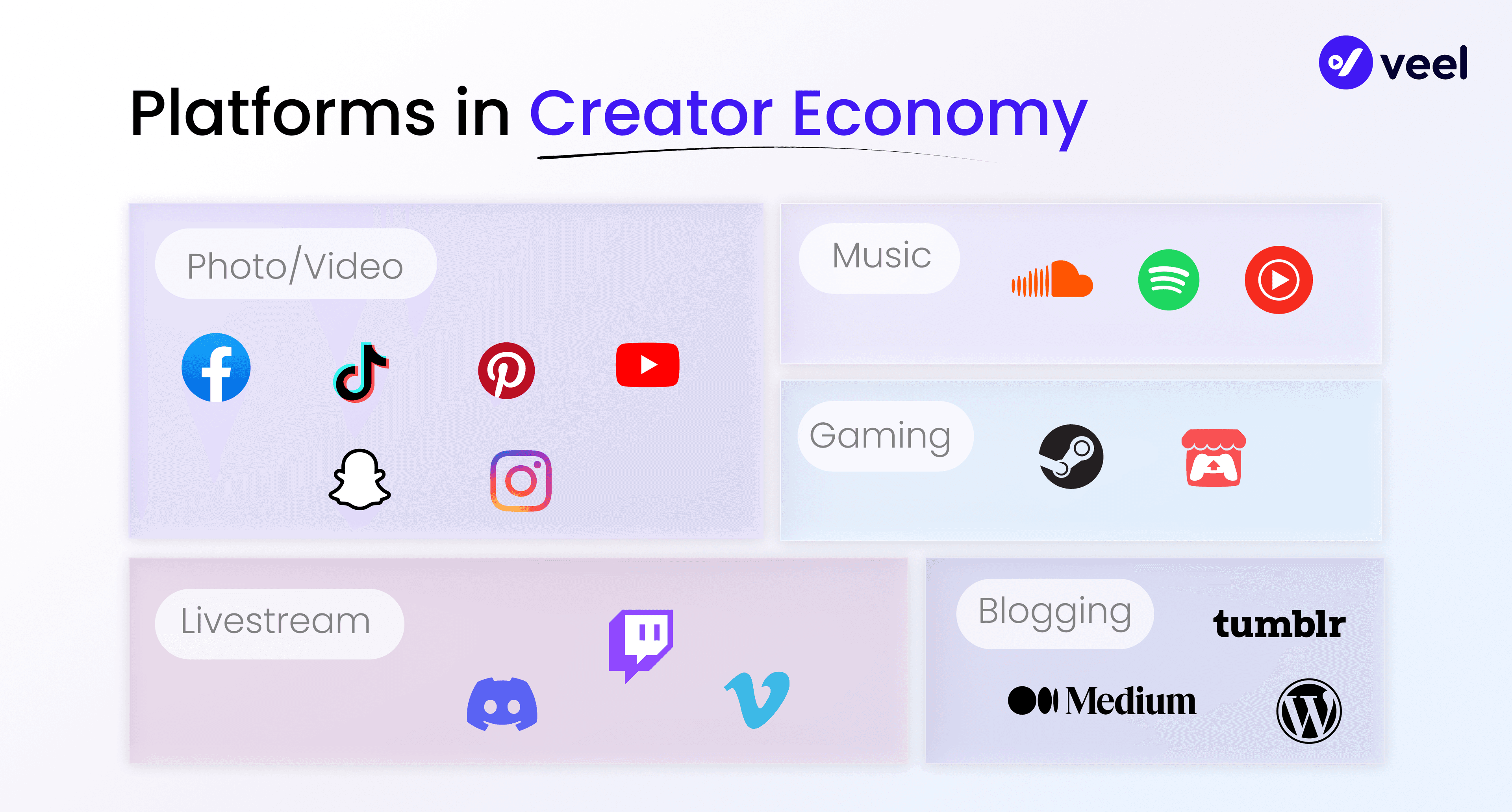
These online communities create value around shared interests, information, and beauty. The creator economy converts human connectivity into new forms of wealth.
Key Statistic: The U.S. social commerce market surpassed $36 billion in 2025 - a number fueled largely by creator-driven content and in-app shopping features on platforms like TikTok Shop and Instagram.
Who Counts as a Creator?
A content creator is anyone who consistently produces content that resonates with a specific audience. But not all creators are the same:
- Micro-creators (1K–10K followers): Small but highly engaged audiences
- Mid-tier creators (10K–100K followers): Niche influence with growing communities
- Influencers (100K+ followers): Driving trends and conversions
- Celebrity creators: Mainstream audiences with big brand deals
The most important factor isn’t follower count, it's trust. Consumers listen to creators because they feel authentic and relatable.
Authenticity Is the New Currency
Forget glossy, overproduced Social media ads. Today, audiences want relatable, real content. A creator sharing how they genuinely use a product can outperform traditional advertising every single time.
Example: Instead of a standard ad for a skincare line, a creator shares their nightly routine, highlighting results they’ve experienced. That kind of authenticity builds engagement, trust, and sales.
How Brands Are Winning With Creator-Led Marketing
Creators influence every stage of the marketing funnel:
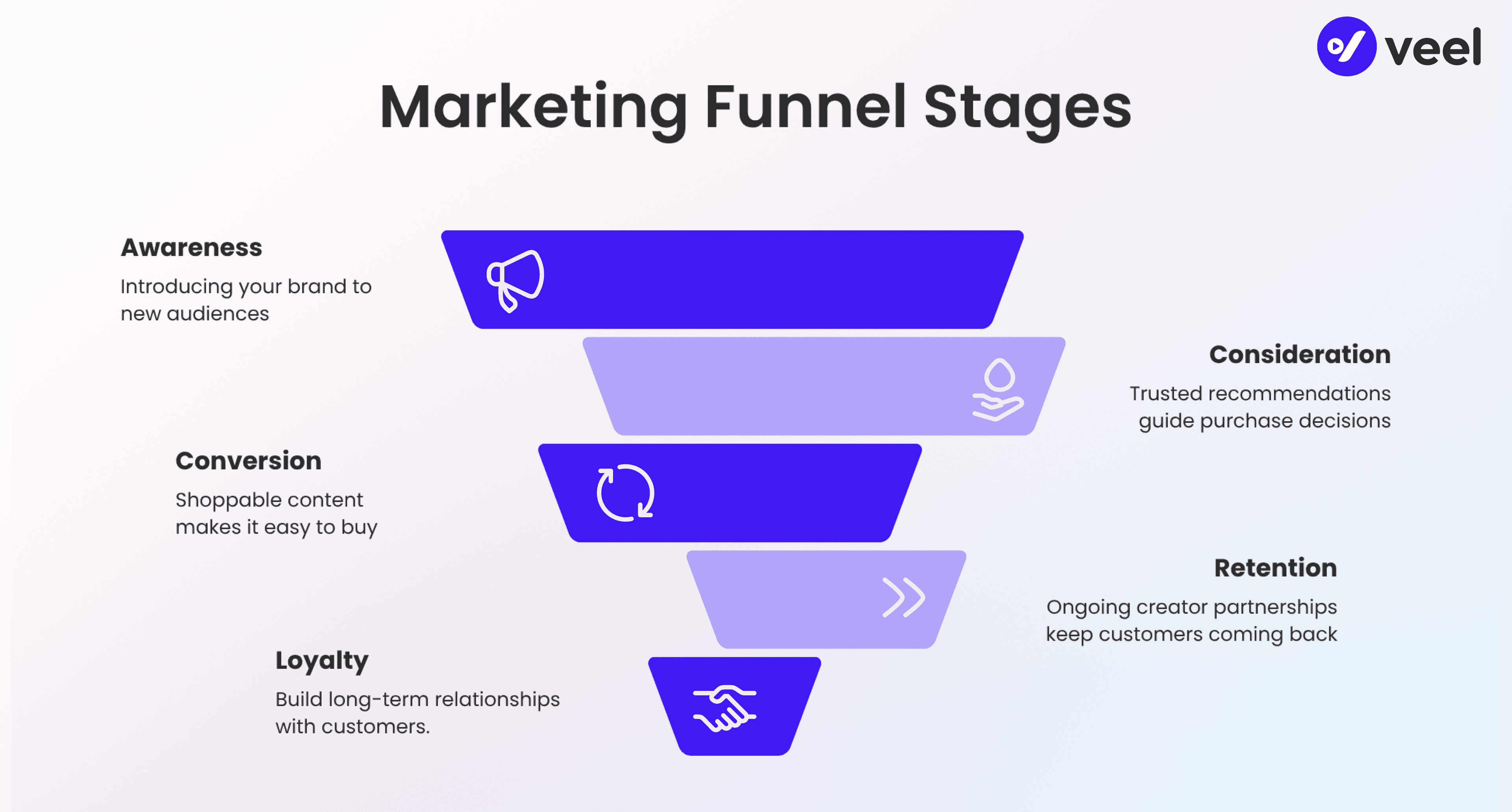
The right tools make all of this easier. Veel tracks campaigns across the funnel, helping brands measure real impact, not just likes or comments.
Different Types of Creators and Their Roles
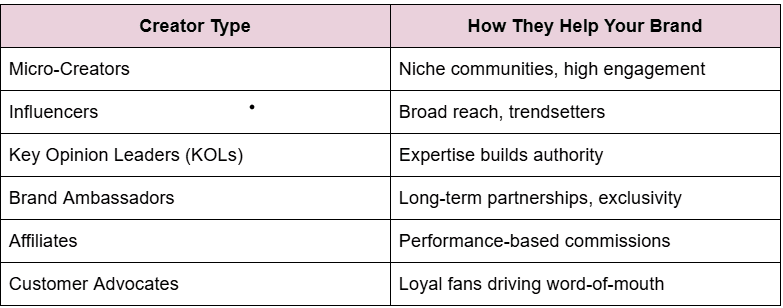
Not all creators are influencers, and each type brings a unique value:
Challenges Brands Face in creator marketing (And How to Solve Them)
Even experienced brands struggle with:
- Finding high-quality creators
- Coordinating multiple campaigns
- Tracking ROI effectively
UGC marketplaces like Veel solves these challenges with:
- Smart Creator Discovery: Find creators based on niche, audience, and engagement
- Campaign Management: Onboard, brief, and track creators in one dashboard
- Automated Workflows: Save time on repetitive tasks like approvals and payments
- Performance Analytics: Measure clicks, conversions, and ROI
Essentially, they allow brands to scale creator-led campaigns without losing authenticity.
Why the Creator Economy Matters More Than Ever
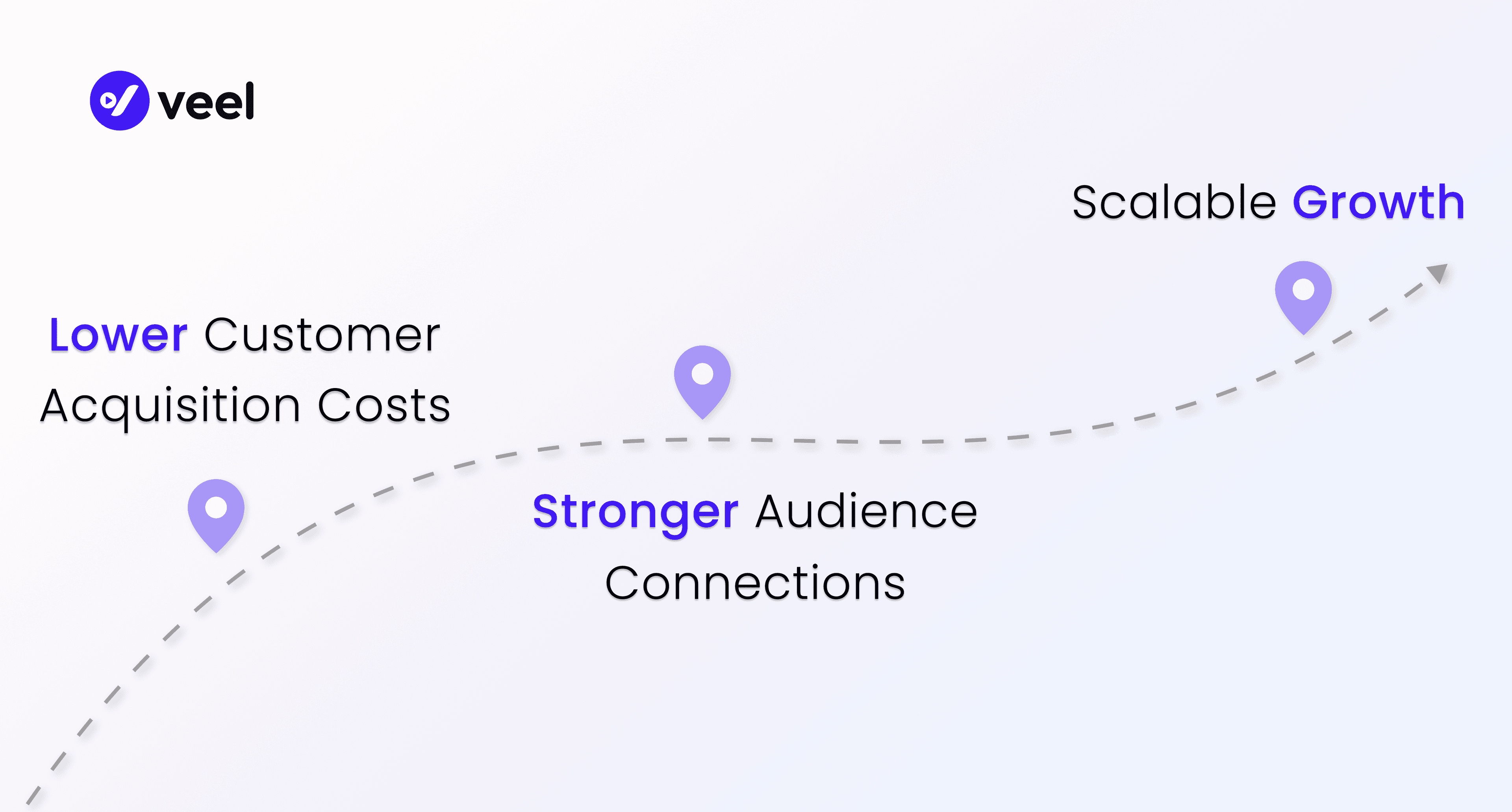
- Lower Customer Acquisition Costs: Influencer partnerships often outperform paid media.
- Stronger Audience Connections: Authentic content resonates more than traditional ads.
- Scalable Growth: Easily manage hundreds of creator partnerships with the right tools.
Top U.S. brands like Warby Parker, Dunkin’, and Oakley are already winning with creator collaborations. Whether it’s TikTok campaigns, Instagram posts, or lifestyle content, creators are powering measurable results.
How Your Brand Can Win
The creator economy isn’t a passing trend but a long-term shift in marketing and commerce. Brands that embrace creator-led strategies can see deeper engagement, lower costs, and scalable ROI.
With Veel, your brand can:
- Discover creators who truly match your audience
- Run Influencer campaigns efficiently
- Track performance across the marketing funnel
- Scale without losing personalization
Ready to turn creators into your growth engine?
👉 Explore Veel today and start building authentic, high-performing campaigns.
👉 Read our Previous Article on Creators Ecosystem