.JPG.jpeg&w=3840&q=75)
Binaya DhakalAugust 17, 2026
Creator Affiliate Marketing: The Complete Guide for Brands and Creators
A campaign can get views, comments, a spike in follows. None of that tells you whether anyone bought anything. Creator affiliate marketing answers that question with a link or code tied to one creator, a sale traced back to it, a commission paid because of it. It's the difference between "this did well" and "this did $8,940."
Neither side gets to that number alone, though. A brand can set every term right and still have nothing to show for it if creators don't trust the tracking enough to promote in the first place. A creator can have real influence and still see none of it reflected in what they're paid if the attribution behind it is broken.
This guide covers both sides of that equation, because a program only works when it works for both.
What Is Creator Affiliate Marketing? (And How It Differs From Traditional Affiliate Links)
Affiliate marketing is old. Coupon sites and comparison blogs have run on commission links for two decades. Creator affiliate marketing is the same commission mechanic, moved onto a different channel for a new set of audience who watches a fifteen-second video and buys three days later, on a different device, without ever clicking a link.
That distinction matters more than it sounds like it should, because most affiliate infrastructure still assumes a click. A blog reader clicks a link, lands on the product page, and buys in the same session. A video viewer remembers a code, opens a new tab later, and types it in. If your tracking only credits clicks, you lose the second shopper entirely, and video is now where most of this activity happens. Video content is projected to drive 55% of all affiliate traffic this year. A system built for blog links is already covering less than half the channel.
The difference is not the commission model itself. The difference is the relationship behind the conversion. Traditional affiliates often capture existing purchase intent through search, comparison, or deal discovery. Creators create that intent by building trust first and making the recommendation itself part of the buying journey.
How Affiliate Links vs. Discount Codes Work in Creator Marketing
Every creator affiliate program runs on the same three parts: a unique identifier tied to one creator, a way to credit a sale back to it, and a commission that pays once the sale is confirmed.
The identifier is usually both a link and a code, because they solve different problems. The link works for someone who clicks through immediately, say, from a link in bio. The code works for the much larger group who don't click at the moment of intent: someone watching a video, remembering the brand, and typing a code in later. A program that only issues links misses most of what creator content actually drives, since a large share of creator-influenced purchases never involve a click at all.
Where this gets complicated is deciding which signal wins when both exist. If a shopper clicked one creator's link last week and then typed a different creator's code in at checkout today, who gets the sale? The industry-standard answer, and the one that actually makes sense, is that an explicit code beats an ambient click. Someone typing a specific code is unambiguous intent, whereas a click from days ago is a weaker signal that's easy to game. Programs that get this wrong end up crediting the wrong creator on a meaningful share of orders, which is usually the first thing that erodes trust in a new affiliate program. A brand starts second-guessing whether its own tracking is reliable, and a creator starts wondering whether a sale they drove actually landed in someone else's ledger.
Creator Affiliate Commission Models: Percentage, Flat-Fee & Tiered Rates Explained
There are three commission structures in real use: percentage of sale, flat fee per order, and tiered rates that increase with volume.
Percentage is the default for a reason; it scales with order size automatically, so a $200 order and a $20 order both pay proportionally. Flat fee works better for lower-price items or new-customer offers, where a brand wants a predictable cost per acquisition regardless of basket size. Tiered structures reward volume: a lower rate up to some threshold, a higher rate above it, which gives a brand's best-performing creators a reason to keep pushing rather than plateauing at whatever rate they started with.
Based on 2026 Shopify data, the numbers vary from category to category. Most DTC brands start affiliates at 10-15% of sales or a flat $10-15 for new-customer orders. From there, it splits sharply by margin: fashion typically runs 10-20%, beauty 15-25%, supplements 20-40%, electronics as low as 3-8%. Shopify's own guidance puts the general range even wider, 5% to 30% depending on category, which tells you the "right" number isn't really an industry norm at all; it's whatever a brand's margin can absorb before the channel stops being profitable.
The rate that actually gets set matters less than most brands think. What matters more is what happens after a sale is made and before commission is paid, because that's where most of the real cost of a bad program shows up, and it's also, not coincidentally, where most of a creator's trust in a program is either built or lost.
Affiliate Attribution: Why Creator Sales Tracking Breaks Down
Here's a real example of what attribution disputes look like in practice: a large publisher sends the traffic that actually convinces someone to buy, but a coupon site catches the last click right before checkout. Under simple last-click tracking, the coupon site gets full credit, and the publisher gets nothing, even though the coupon site did none of the convincing.
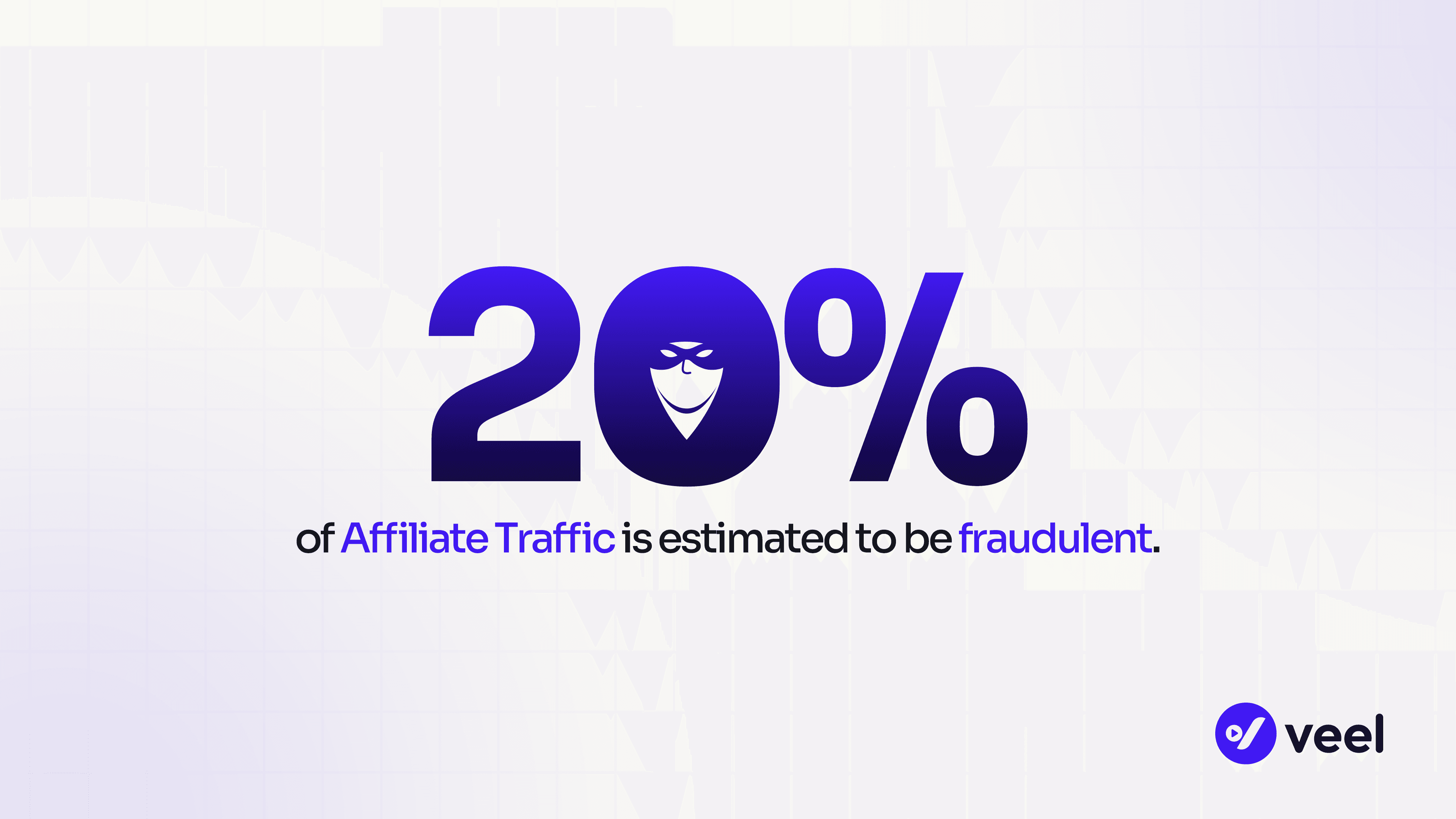
Creator affiliate programs have a version of this that's arguably worse: a creator's code getting scraped and reposted on a public deal site, with none of the actual influence the original creator provided. Industry-wide, roughly 20% of affiliate traffic is estimated to be fraudulent, and coupon leakage specifically is the dominant issue for e-commerce stores.
This isn't only a brand's cost to absorb. Every leaked code that goes uncaught is a sale that should have been credited to a working creator instead- a commission that quietly leaves the program rather than landing in the account of the person who actually earned it.
Creator Affiliate Payouts: What Actually Builds (or Breaks) Trust
The commission structure gets most of the attention when brands think about affiliate programs. Payout terms are what creators actually judge them on.
A creator who's owed money doesn't care what the headline rate was if it takes 90 days to see any of it. Global payouts add another layer most brands don't think about until they're running a program with creators outside their home market: tax documentation, currency conversion, and payment rails that actually work in the creator's country, not just the brand's.
For creators, affiliate marketing is about building an income stream that compounds over time. Unlike a one-time sponsorship, a piece of content can continue generating revenue weeks or months after it is published, giving creators a way to monetize the trust they have already built with their audience.
Creator Affiliate Marketing Challenges for Brands: Attribution, Leakage & Refunds
Strip away the pitch decks and the real list of problems is short and specific: attribution disputes that erode trust between brand and creator, coupon leakage that pays commission on sales that were never really influenced, refunds that require manually clawing back commission after the fact, and global payouts that turn into a tax and currency headache the moment a program has creators outside one country.
None of these are exotic. They're the default state of a program built on tooling that wasn't designed for how creator content is actually consumed and bought.
The bigger challenge is that many brands treat affiliate marketing as a separate channel from creator marketing. They run campaigns to generate content, then start a separate affiliate program to generate sales. The opportunity is connecting both by turning creators who already understand the brand into long-term revenue partners.
What Makes a Creator Affiliate Partnership Actually Convert
Not every creator recommendation works. A creator promoting something totally outside their niche might get a few clicks, but the partnership won't feel credible and the conversion rate shows it.
The partnerships that convert almost always start with relevance: a fitness creator recommending running shoes, a beauty creator sharing a skincare routine, a tech reviewer covering software. The product fits naturally into the world the creator already talks about , because the whole model runs on trust. When the fit is right, the recommendation reads as advice, not an ad.
Three things brands should check before launching a creator affiliate program:
- Audience-product fit: does this creator's content already touch this category, or would the product feel bolted on?
- Engagement quality over follower count : a creator with 50,000 engaged followers can outsell one with 500,000 disengaged ones.
- Clean attribution: unique links or codes per creator, so performance data is actually usable for the next round of partnerships.
Creator Affiliate Marketing Challenges for Creators: Missed Credit & Delayed Payments
From the creator's side, it's a shorter but sharper list: not knowing which sales they'll actually get credited for, waiting weeks or months to see money that's already been earned, and having commission disappear from a refund with no explanation of why. A creator who's been burned by any of these once tends to deprioritize that brand's future content, not out of spite, but because the math on effort versus payout stopped making sense.
And that's the part brands running these programs tend to underweight: a creator doesn't need a reason to walk away from a partnership that isn't paying off. The programs that keep creators engaged past the first campaign are the ones where a creator never has to wonder whether a sale counted, or chase an answer about where a payment went.
How Veel's Affiliate Marketing Program Solves Attribution, Leakage & Payouts
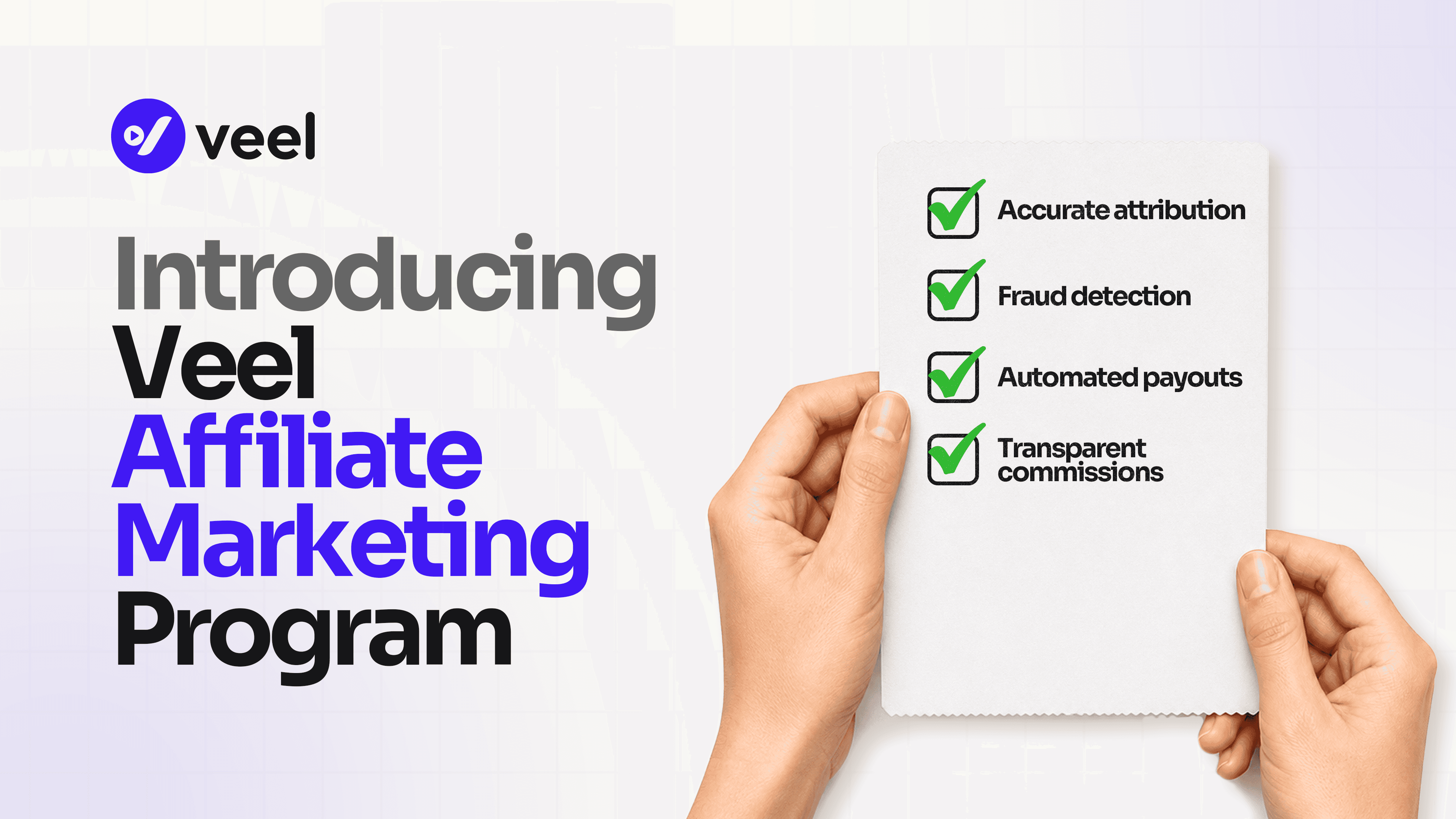
Veel Affiliate Marketing Program is built around the specific failure points above, not around affiliate marketing in the abstract.
The difference is that Veel connects the entire creator growth loop, from discovering creators and running UGC campaigns to turning top-performing creators into long-term affiliate partners. Instead of treating affiliate marketing as a separate channel, brands can build a continuous relationship where creators move from collaboration to conversion.
Each of the mechanics below solves a specific problem on both sides of the ledger, not just the brand's version of it.
On attribution: a unique discount code at checkout takes precedence over a click, because it's the unambiguous signal. If no code was used, the last link clicked inside the attribution window gets credit. Every order is credited to exactly one creator, and which signal decides it is visible on the order itself, not a black box either side has to trust blindly.
For a brand, that means a defensible answer any time a partner asks why a sale was credited the way it was. For a creator, it means never having to take a brand's word for why a sale that felt like theirs went to someone else.
On leakage: Pattern checks run continuously against real redemption behavior. A code with redemptions but no matching click traffic, a spike concentrated in one geography, a customer email that matches the affiliate's own account; each of these raises a flag with the evidence attached, and commission holds at Pending until someone reviews it. A code can be rotated without disturbing a creator's other links, so fixing a leak doesn't mean starting the creator's program over.
On refunds: Commission doesn't clear until the return window on the order has closed. A refunded order never reaches an invoice or a payout in the first place, which means there's nothing to claw back from a creator after the fact and nothing for a brand to reconcile after the fact either.
A creator never sees a payment reversed after they've already counted on it, and a brand never has to have the awkward conversation of asking for money back.
On commission structure: Percentage, flat-fee, and tiered models are all supported, set once at the program level and applied automatically after that. A brand sets the terms once and a creator sees the same terms applied consistently, campaign after campaign, instead of quietly shifting each time.
On payouts: Creators are paid in local currency across 121+ countries, with tax documentation collected at onboarding rather than chased down later. Brands are billed a usage fee on cleared attributed sales only, not on commission, not on sales still sitting inside a refund window.
For a creator working with brands across borders, that's the difference between actually getting paid and getting paid in a currency or on a timeline that makes the money hard to use.
Beyond affiliate management, Veel also gives creators and brands access to tools that help improve content performance, increase discoverability, and make it easier to turn recommendations into measurable results. The goal is not only to track conversions, but to help create more of them.
None of this is a new category of tool bolted onto a brand's existing creator relationships. It's a commission layer added to the same workflow already producing the content, which is the part that actually determines whether a program gets used consistently or quietly abandoned after the first billing cycle.
Getting started today
Brands connect their store and set commission terms once - every campaign after reuses them automatically.
Creators simply accept the invitation to opt in to become an affiliate - no separate application, no approval wait, link and code issued instantly.