
Binisha MaharajanMay 12, 2026
Why Niche Is the New Mass Market (And Brands Still Don’t Get It)
Numbers tell a story. Studies show that $37 billion is wasted annually on ads that fail to engage the right audience, and 42% of marketers admit that audience mismatch is their most costly mistake.
Yet despite all the data, problems persist. According to Invoca’s case study, only 61% of marketers believe their marketing strategy is effective. So what’s going wrong?
For decades now, marketing has played a simple rule: reach as many people as possible and hope something sticks. And for a long time, it worked.
Before everything was fragmented with the internet's attention, everyone watched the same TV shows, read the same newspapers, and saw the same ads. A message aimed at "new moms" or "newborn babies" could actually land because people were, more or less, in the same room.
That world doesn't exist anymore.
What exactly is the Niche Era?
Everyone's feed is different now. With TikTok, Instagram, and YouTube not rewarding you for being broad, you are rewarded for being specific. And the communities that form around specific interests? They're small, but mighty and loyal enough to sustain brands, and engaged enough to grow them.
Take Threadbare & Co, for example. Their data showed that 72% of revenue came from women's activewear, bought repeatedly by the same customers.
But instead of doubling down on the core audience, they continued to spread their message and expand broadly, chasing audiences who barely noticed them. This resulted in their message getting lost, making their connections weaker.
The fix would have been simple: to stop trying to win everyone over and start serving the people already showing up.
The brands that try to speak to everyone end up resonating with no one. But the ones that own a niche and build around the creator economy? They become indispensable.
Why Consumers Buy Identity, Not Just Products
With everything evolving, people buy into brands that reflect who they are, and Nike had this figured out. They didn't just sell shoes but built ecosystems:
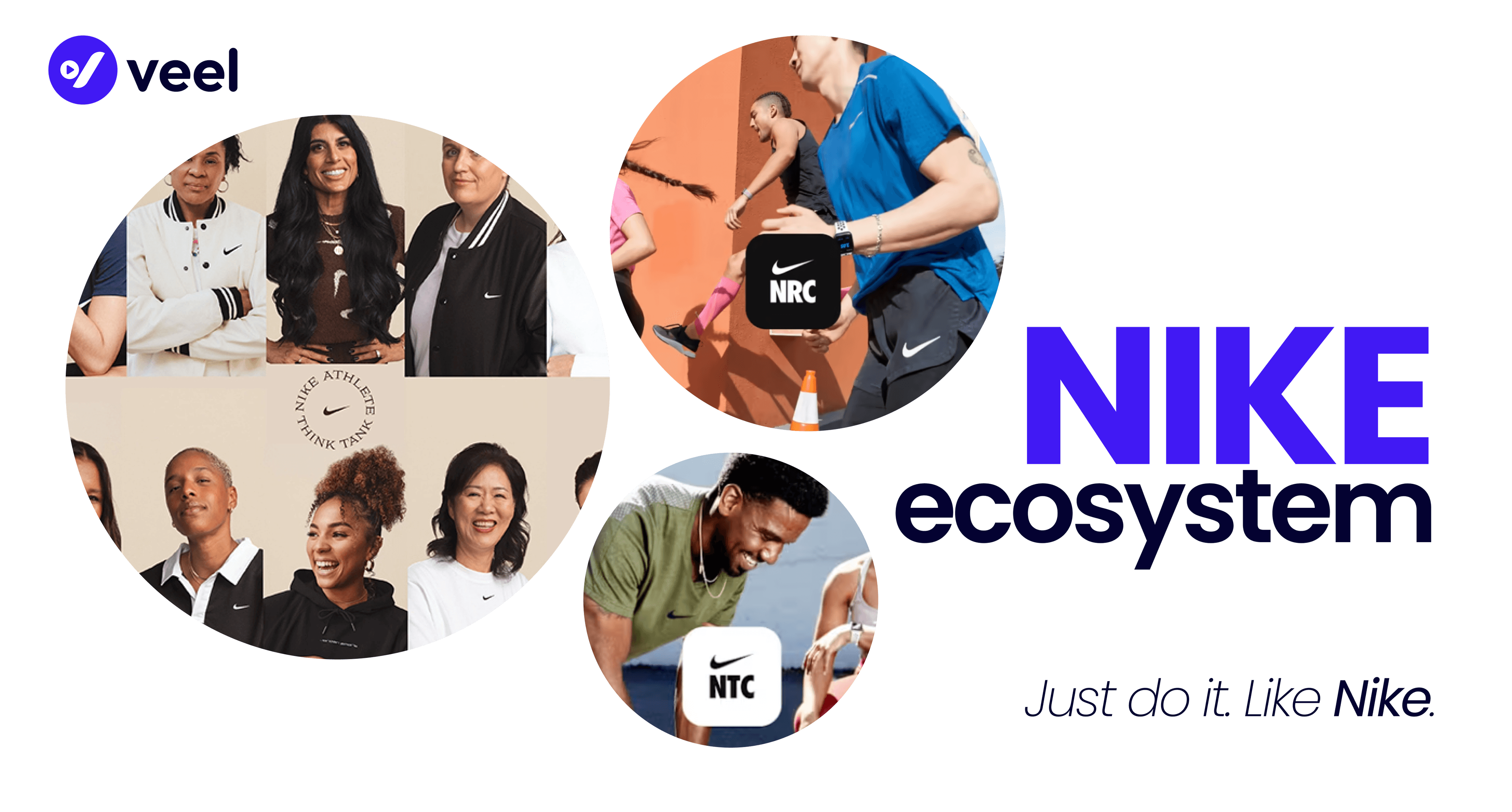
- Nike Run Club
- Nike Training Club
- Women-focused Campaigns
These aren't just products but communities with a shared identity. That's why people engaged with them way more, because they had an intention and an identity. Meta, Google, and X have made it easier than ever to find and reach these micro-communities at scale.
The smartest brands aren't chasing algorithms; they're finding their specific audience, going deep with them, and turning that loyalty into consistent, predictable growth through long term creator partnerships.
Why Micro-Influencer Marketing Is Outperforming Mass Campaigns
Let’s forget follower counts for a second and divert focus to something small. Years ago, influence was measured by scale. Today, it’s measured by trust.
Micro-influencers and UGC Creators often outperform larger creators because they operate very differently.
- They have real, two-way relationships with their followers
- Their recommendations feel personal
- Their community is built on authenticity.
This way, micro-influencers drive strong engagement and spark genuine conversations, which then lead to better conversions than mass market campaigns.
Because at the end of the day, it's not about how many people see the message, but how deeply it lands with the right ones.
So, Why Do Many Brands Keep Struggling?
A simple reason many brands struggle is that they still rely on outdated systems.
Mass production. Mass distribution. Mass messaging.
The reason this isn’t working in the economy of fragmented attention is that niche audiences expect something different. Personalization, and a feeling that the brands they support are in the same room as them. They expect brands to get them, and when they do, they don't just buy once. They become loyal customers.
One thing most brands miss out about niche customers is that they are actually more valuable. They pay premium prices, send out reviews, and defend brands they love, doing marketing work that no ad budget can fully replicate - which is exactly why smart brands are switching to UGC
Niche Is the New Scale
In 2026, "niche" doesn't mean "small ". It means targeted, scaled, and powerful, but the most successful brands aren't the ones with the widest reach. They're the ones with the deepest connection to the right people.
You don't need millions of indifferent viewers. You need the right audience, speaking to them with clarity and authenticity, through creators who already have their trust.
That's exactly what marketplaces like Veel's creator campaigns platform are built for. To create a space where brands find their people, and creators monetize what they've already built.
Explore your niche, find your people, and grow where you matter.