Garima GurungAugust 26, 2026
Beyond the Feed (Building the Next Generation Creator Community)
Creators have never had more ways to connect. They can follow each other on Instagram, comment on TikTok videos, reply to Stories, join Facebook groups, send DMs, attend creator events, and build audiences across multiple platforms. On the surface, it looks like creators are more connected than ever.
But there is a strange contradiction underneath all that activity: creators can be constantly connected and still feel like they are creating alone.
That is the problem with the way creator networking works today. A follow is not a relationship. A like is not a conversation. And a DM that starts with “Hey, love your content!” rarely turns into a meaningful professional connection.
As the creator economy becomes more professional, that gap matters more.
LinkedIn's 2026 research estimates that 75 million professionals worldwide earn revenue from their content, including 4 million full-time creators. The number of people identifying themselves as creators on LinkedIn has also increased by 90% since 2021.
The number of creators is growing. There are opportunities everywhere, with even more content. So why does networking still feel so difficult?
Because The Feed Was Never Designed for Networking
Social feeds are exceptionally good at distribution. They are designed to answer questions like, What should this person see next? What content will keep them watching? What will make them stop scrolling?
They are not particularly designed to help two creators build an ongoing professional relationship.
Creators are competing for the same attention, the same audience, and increasingly, the same brand opportunities. Even when creators support each other, most interactions disappear into a comment, a like, a share, or a reply.
The result is what looks like connection without much of the infrastructure needed to create it.
A comment section can contain hundreds of people but still produce very little actual conversation. A DM can connect two people but offers no shared context. And once a useful conversation disappears into an inbox or a rapidly moving feed, finding it again can be surprisingly difficult.
The problem isn't that social platforms have made creators less social. They have made creators social in a way that doesn't necessarily create community.
Creators Are Already Building Their Own Networks
Look at what happens when creators actually need help.
When someone wants to know whether a brand's brief is reasonable, they message another creator. When they aren't sure what to charge for a UGC video, they ask in a group chat. Received a contract with an unusual clause? Send screenshots to a friend. Want to know if a brand is reliable before accepting a campaign? Ask around.
These interactions are valuable because they come from people dealing with the same problems.
And today, much of this knowledge is scattered across private WhatsApp groups, Discord servers, Reddit threads, Instagram DMs, event conversations, and informal creator circles.
The network exists however, the infrastructure doesn't. And creators don't just need more information. They need people to navigate that information with.
Why Community Works Differently
A well-designed community gives creators something a social feed cannot easily provide, which is a persistent space where relationships can develop over time. Instead of every interaction being driven by an algorithm, creators can have dedicated spaces for questions, opportunities, feedback, resources, and conversations.
That changes how networking happens.
You don't need to send a perfectly crafted DM to meet someone. You can answer a question, share an experience, ask for advice, or simply join a conversation. You just spend time around people who understand what you do. Over time, familiarity turns into relationships. And this is where platforms like Discord become useful.
So, what is Discord?
Discord is a free communication platform that allows users to interact via text, voice calls, video chats, and media sharing. So basically a digital clubhouse on the internet. Instead of endlessly scrolling through a feed, you can join different communities, hang out in topic-based channels, jump into voice chats, share things, ask questions, and actually get to know people.
Think of it as a group chat that grew up, got organized, and somehow ended up with its own rooms, roles, bots, and inside jokes.
And if you’re wondering what in the technical jargon was just mentioned, here’s a simple overview of what those words actually mean in the world of Discord.
1. Rooms as in Servers
Discord is organized into invite-only or public spaces called servers. Each server acts as a separate community dedicated to a specific topic, group of friends, or interest.
2. Channel
Channels are the individual rooms within a server where conversations actually happen. They are divided into 3 types of channels:
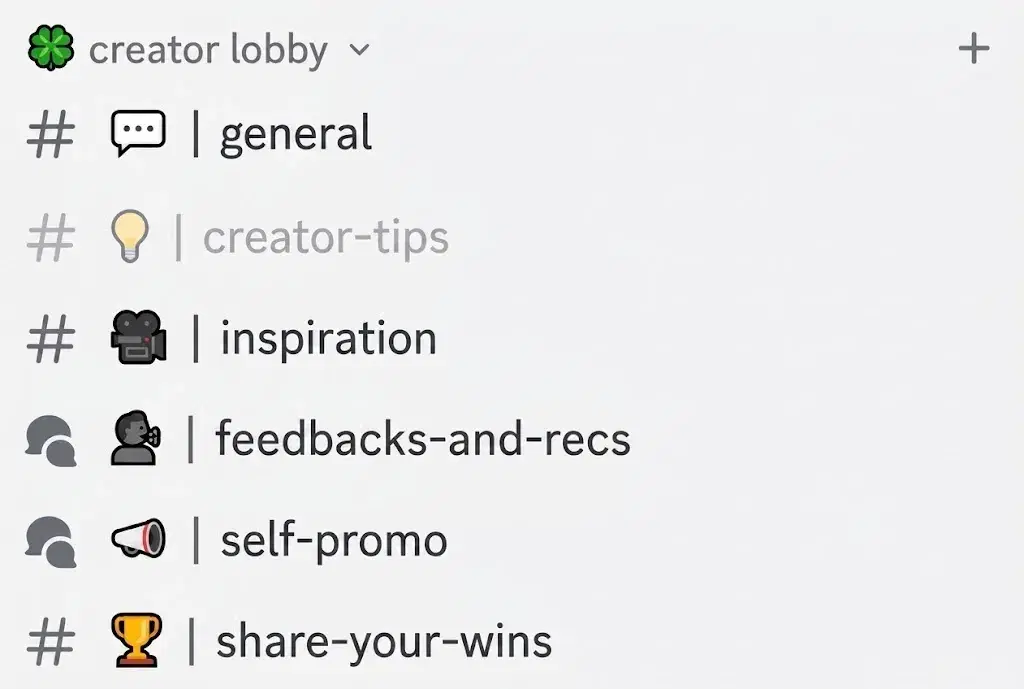
- Text Channels: Space for discussions and resources
- Voice Channels: For live conversations and listening to music.
- Specialty Channels: Forum-style spaces for more organized topics
3. Roles
Roles help organize members get control access to different parts of the community
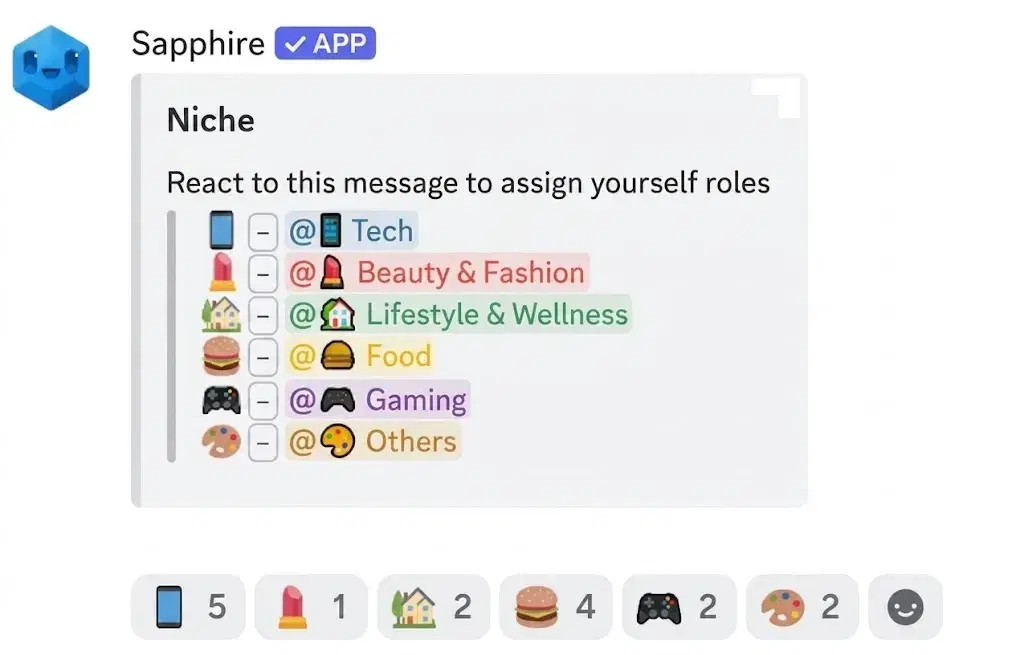
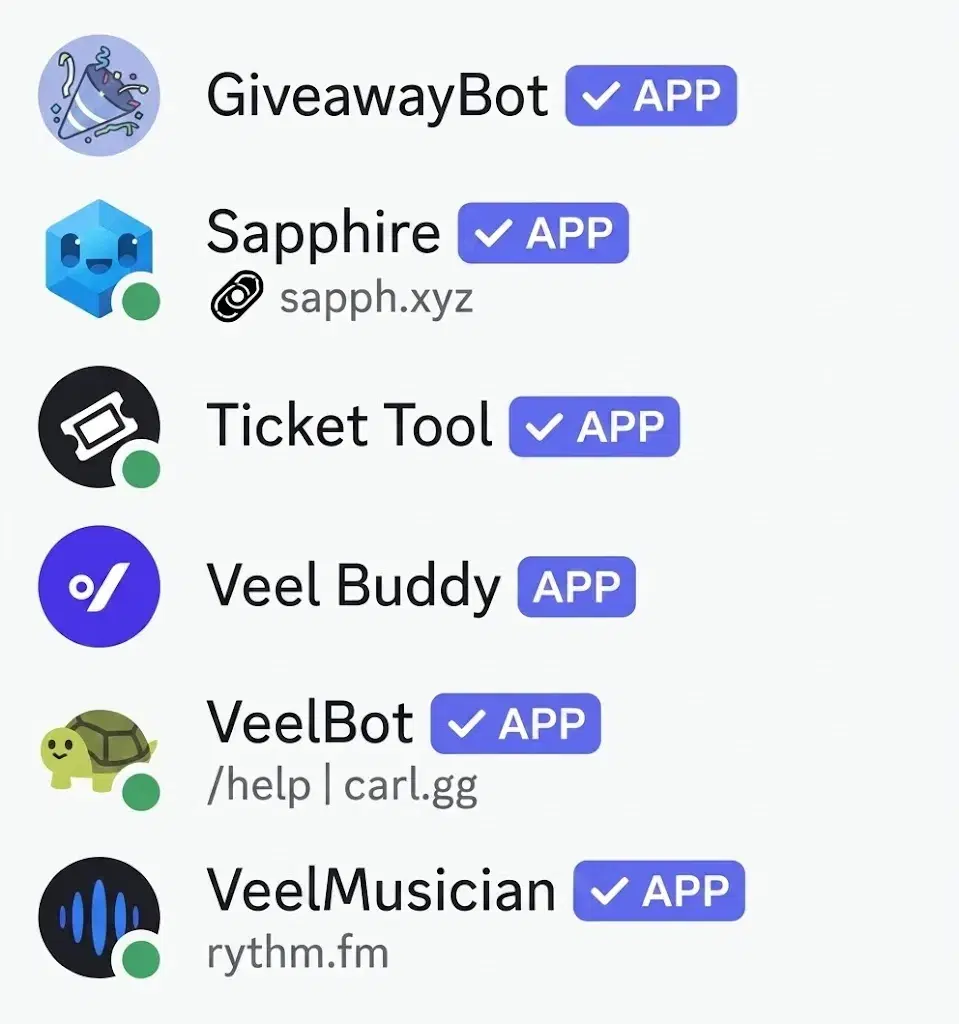
4. Bots
Bots automate things like moderation, notifications, games, and other community activities.
What a Creator Community Should Feel Like
The answer isn't simply to create another group chat and call it a community. A useful creator community needs structure without becoming overly formal. It needs places to ask questions, share opportunities, exchange feedback, and learn from each other. It needs enough activity to feel alive, but enough organization that useful conversations don't immediately disappear.
That is the thinking behind the Veel Creators Community on Discord.
Instead of treating community as another promotional channel, the idea is to create a space where creators can actually interact with other creators. With a space for resources and features such as Veel Buddy and trivia games, conversations happen around creator work and lighter interactions, making the community feel like a community.
You meet someone because you answered their question. You talk again a few days later and discover that you work in the same niche. A month later, they recommend you for a campaign. Six months later, you're collaborating.
A Feed Gives You an Audience. A Community Gives You People.
For creators, what they increasingly need is a place where the person behind the content matters as much as the content itself. Because creator success isn't only about reach anymore, it is also about knowledge, relationships, opportunities, and having people you can turn to when you don't have the answer.
It's having people you can actually communicate with. And if you're looking for more than another feed, come meet the people behind the content.