R
Richa TandukarNovember 20, 2026
From Viral Videos to Real Purchases: Why Authentic Creator Reviews Matter
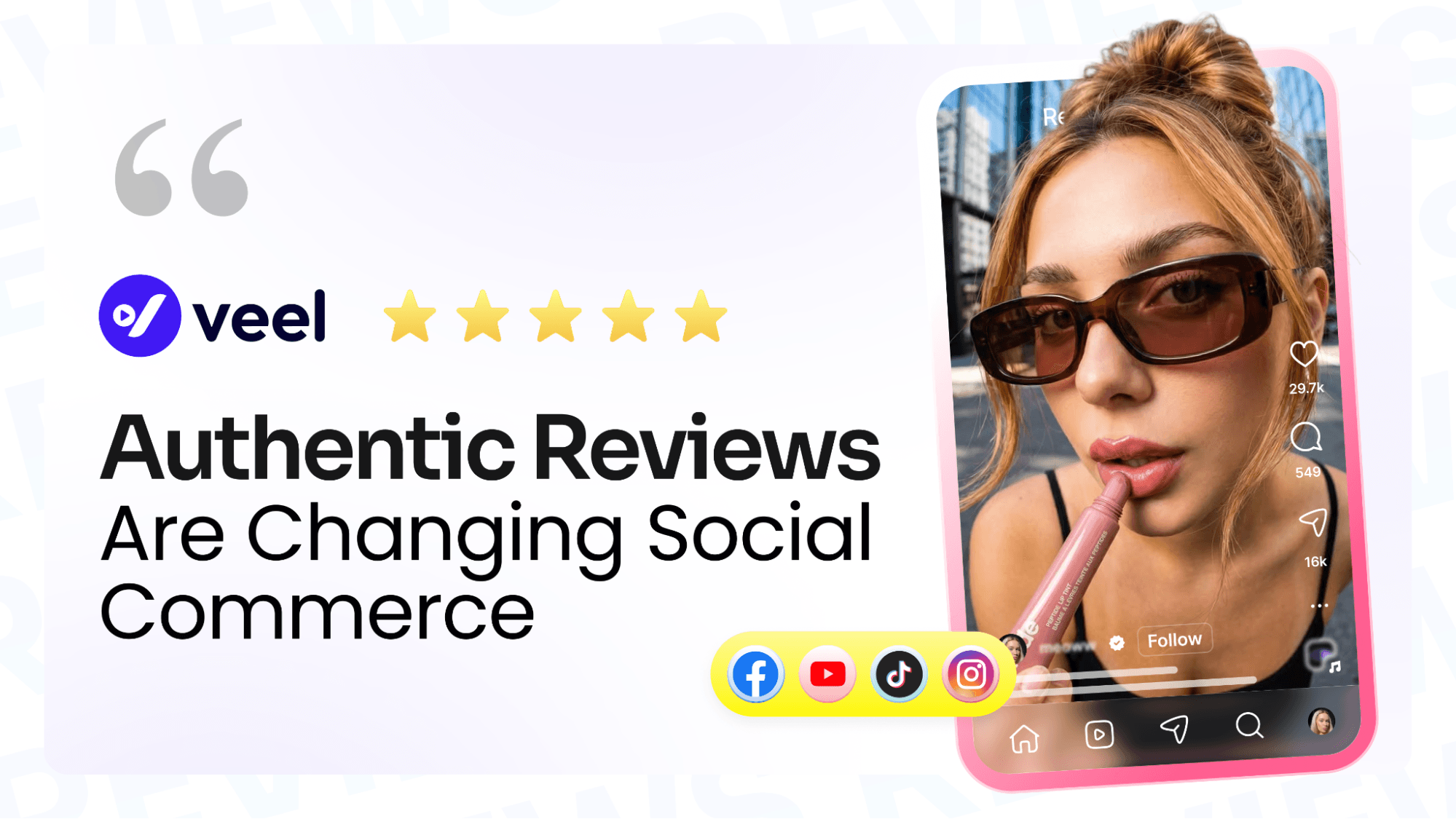
A product can go viral overnight. A creator can introduce it to millions of viewers, and a short video can generate more attention than a traditional advertising campaign.
But attention does not always translate into trust.
As social commerce continues to grow, consumers are becoming more familiar with discovering and purchasing products through platforms like TikTok and Instagram. At the same time, they are becoming more selective about the recommendations they believe.
The question is no longer simply whether a product can go viral.
It is whether the product can live up to the expectations created by the content.
The rise of social shopping
Social media has changed how consumers discover products.
Instead of starting every shopping journey with a search engine or ecommerce website, people increasingly come across products while watching videos, following creators and browsing their social feeds.
TikTok Shop is one example of how content and shopping can operate within the same environment.
A creator can introduce a product, demonstrate how it works and direct viewers toward a purchase without requiring them to leave the social shopping experience.
Instagram's recent Amazon affiliate integration points in the same direction, bringing product recommendations directly into Reels and feed posts.
These developments reflect a broader shift: social platforms are becoming important product discovery and shopping channels.
However, the growth of social commerce also raises an important question.
How do consumers decide which products are actually worth buying?
1. Viral attention does not guarantee product satisfaction
Kim Kardashian's recent comments about her TikTok Shop shopping habits offer an interesting example of this changing consumer behavior.
In an interview discussed by Complex, Kardashian spoke about buying products through TikTok Shop, including SKIMS dupes that she wanted to test against the original products.
She also discussed the ease of making purchases and the frustration of returning products.
One important detail: at the time of her comments, the dupes had not yet arrived, so the story is not evidence of how those products performed.
What makes the story interesting is the behavior behind it.
Consumers are discovering products through social content, comparing alternatives and looking for real experiences before deciding whether something deserves their money.
This behavior is not limited to celebrity shopping habits. It reflects a larger shift in how people evaluate products online.
A compelling video may create interest, but the actual product experience determines whether that interest turns into satisfaction.
2. Consumers want proof, not just promotion
Traditional product advertising usually focuses on what a product promises.
Authentic reviews show what using the product actually looks like.
For example:
- A skincare creator can demonstrate how a product fits into a routine.
- A fashion creator can show how an outfit fits different body types.
- A technology creator can explain how a device performs during everyday use.
- A customer can share their experience after using a product for several weeks.
These formats help consumers understand the product beyond its marketing claims.
Research supports the importance of this distinction.
A 2026 Bazaarvoice study on TikTok Shop buyers, based on a survey of more than 1,600 TikTok users in the US and UK, found that 96% of surveyed TikTok Shop buyers were more likely to purchase when verified customer reviews appeared on a product listing.
The same research found that 68% were more likely to trust an everyday consumer than a popular influencer they follow.
The takeaway is important.
Creator content can introduce a product, but genuine customer experiences can provide another layer of confidence.
3. Why UGC matters in the purchasing journey
User-generated content gives brands an opportunity to show products through real customer and creator experiences.
Unlike traditional advertising, UGC often feels more relatable because it uses familiar situations, personal opinions and everyday product demonstrations.
Brands can incorporate UGC at multiple points in the customer journey.
- Before purchase: Short videos introduce products and demonstrate their benefits.
- During consideration: Reviews, comparisons and tutorials help consumers evaluate their options.
- At the point of purchase: Customer photos, videos and reviews provide additional product context on ecommerce product pages.
- After purchase: Customers can share their own experiences, contributing to a growing library of social proof.
This creates a more connected experience between marketing content and ecommerce.
The objective should not be to make every customer video look like a professional advertisement. It should be to make product information more accessible and trustworthy.
4. Video reviews are becoming valuable ecommerce assets
One opportunity brands should not overlook is the use of video reviews directly on product pages.
Many ecommerce websites still rely heavily on product photography and written reviews.
These remain important, but video can communicate details that static images cannot.
A customer showing how a product works, explaining its texture or demonstrating its size can provide additional context before someone makes a purchase.
According to Bazaarvoice's 2026 research, verified customer reviews were a significant purchase consideration for surveyed TikTok Shop buyers.
This supports the idea that brands should think beyond collecting reviews and consider how they present customer experiences throughout the shopping journey.
Video reviews can also become reusable marketing assets across:
- Ecommerce product pages.
- Social media channels.
- Email marketing.
- Product launch campaigns.
- Paid advertising, where the relevant usage rights are secured.
The key is to manage those assets properly, including permissions, moderation and content rights.
5. Bringing authentic content and commerce together
As brands produce more creator content and collect more customer experiences, organizing those assets becomes increasingly important.
A video created for an Instagram campaign should not necessarily disappear after the campaign ends. With the right permissions and content management workflow, it may also be useful on a product page, in a social campaign or in future marketing activities.
This is where Veel connects creator marketing with content and commerce.
Through Veel's Creator Campaigns, businesses can collaborate with creators to produce authentic UGC and influencer content.
With Veel's UGC Reviews capabilities, brands can collect and organize customer videos, manage review content and embed video experiences on supported ecommerce storefronts.
The platform also offers a Content Library to centralize creator assets and support content distribution across connected social channels.
For brands interested in connecting content with measurable performance, Veel's Performance Analytics and Affiliate Tracking help track creator and content performance through the available campaign and sales tracking workflows.
Veel also supports live shopping through Go Live, allowing businesses to host live experiences and turn streams into shoppable replays.
Together, these capabilities support a broader approach to creator-powered commerce: create content, collect authentic experiences, distribute them across relevant channels and connect them with the shopping journey.
Explore Veel to see how creator campaigns, UGC Reviews, content management and commerce workflows work together.
6. What brands should do next
Social commerce is creating new opportunities, but brands need to approach it strategically.
Here are five practical steps:
- Prioritize useful content. Focus on product demonstrations, tutorials, comparisons and genuine customer experiences.
- Work with relevant creators. Select creators based on their audience, expertise and relationship with the product category.
- Build a video review strategy. Collect customer experiences and make them accessible throughout the shopping journey.
- Organize content for reuse. Manage permissions and usage rights so approved videos can support multiple marketing channels.
- Measure beyond views. Evaluate engagement, clicks, product-page interactions and attributable sales where reliable tracking is available.
The next phase of social commerce is built on trust
The creator economy is moving beyond the idea that attention alone determines success.
Consumers can discover hundreds of products through social media, but they still need reasons to trust what they see.
That is why authentic product demonstrations, creator recommendations and customer reviews matter.
Brands that combine engaging creator content with genuine customer experiences can create a more useful and connected shopping journey.
Final thoughts
A viral video might introduce a product to the world.
An authentic review might help someone decide whether it is worth buying.
And a positive product experience might turn that customer into the next person recommending it.
That is the opportunity in creator-powered social commerce: moving from attention to trust, and from trust to meaningful customer relationships.
Authentic Creator Reviews FAQs
What are authentic creator reviews?
Authentic creator reviews show what using a product actually looks like, rather than focusing only on what the product promises. They include demonstrations, tutorials, comparisons, and honest experiences, including strengths and limitations.
Why do reviews matter for social commerce?
Consumers are becoming more selective about the recommendations they believe. In a 2026 Bazaarvoice survey of TikTok Shop buyers, 96% said they were more likely to purchase when verified customer reviews appeared on a product listing.
How can brands use video reviews?
Brands can show video reviews on product pages and reuse them across social media, email marketing, product launches, and paid advertising where the relevant usage rights are secured.
How do I measure the impact of creator content?
Look beyond views. Evaluate engagement, clicks, product-page interactions, and attributable sales where reliable tracking is available.
Comments
Want to join the discussion?
Comments come from our Discord community.