
Rakshya basnetSeptember 25, 2026
From Billboard to Fandom: How Modern Brands Are Winning by Becoming Part of Culture
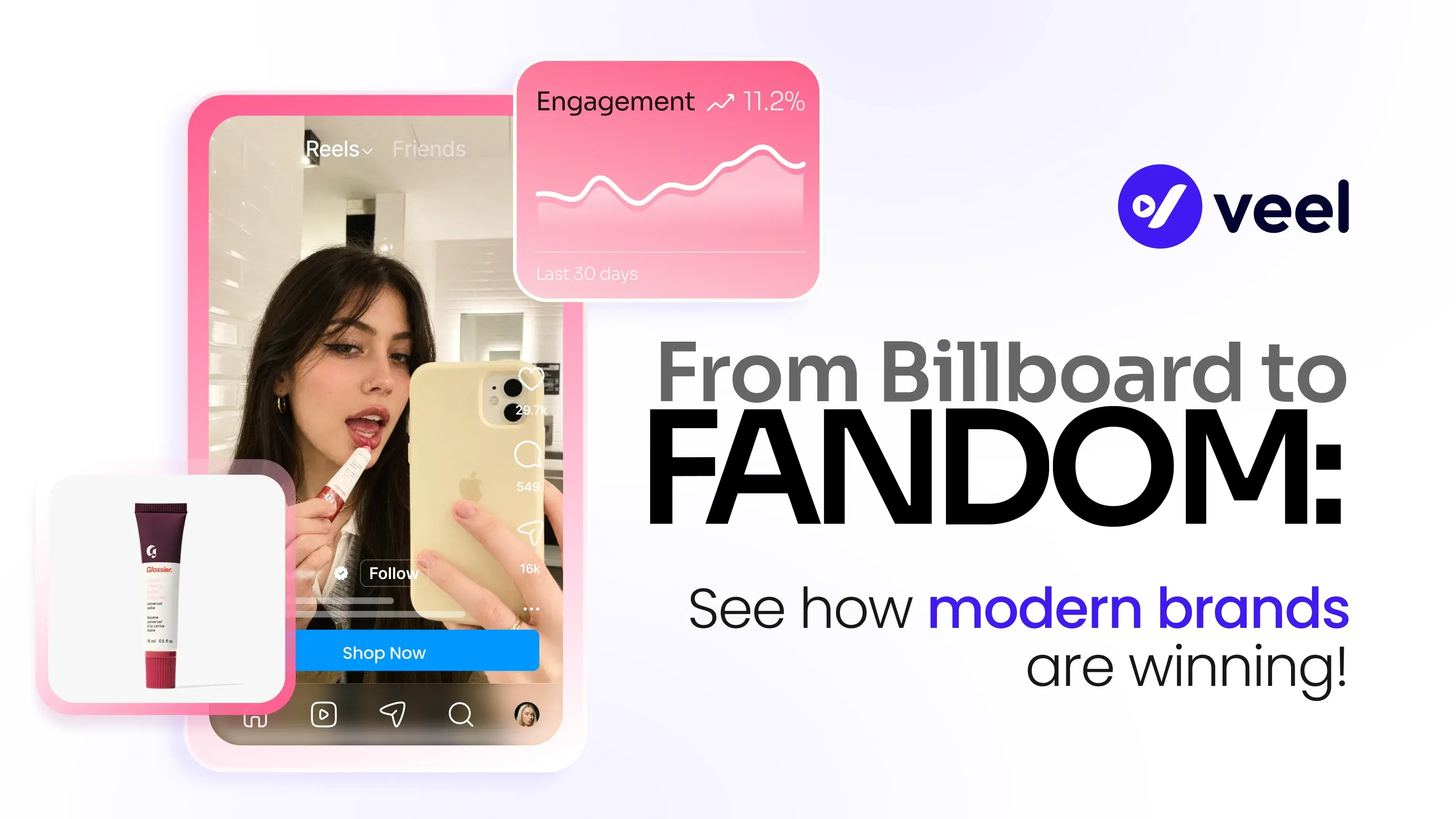
Not too long ago, beauty marketing had one playbook, and every brand followed it. You signed a famous actress, shot a glossy campaign, put their face on a billboard in a busy city, and called it a day. The message was always the same; it was simple, it was predictable, and for a long time it worked. Brands controlled what people saw, celebrities controlled what people wanted, and consumers just went along with it.
That era is over. And the brands still running the old playbook are quietly losing ground to the ones running a newer one: IP collaboration marketing, where brands borrow an existing fandom instead of renting a celebrity's face.
The Old Playbook and Why It Stopped Working
Traditional beauty marketing was never really about the product. It was about the face on the packaging. Brands paid enormous amounts of money for celebrity endorsements because their face carried a certain kind of aspiration.
The problem is that aspiration only works when people believe it, and somewhere along the way, people stopped believing it. The ads got too polished, the endorsements got too obvious, and consumers started realising that the actress holding the foundation probably had a team of makeup artists working on her every morning and the product had very little to do with how she looked. Trust dropped, attention dropped, and the glossy ad stopped feeling like something to aspire to and started feeling like something to scroll past.
Brands had built their entire marketing identity around something that was losing its power, and most of them did not see it coming.
The New Era: Brands Becoming Part of Culture
The brands winning right now aren't advertising to people. They're becoming part of the culture people already live in and IP collaboration marketing is the clearest expression of that shift.
The Swiss Beauty and Warner Bros. Collaboration is one of the clearest examples of this happening in real time. Rather than hiring a celebrity to hold a lipstick in front of a camera, Swiss Beauty stepped into an existing universe that already had decades of emotional investment behind it. They launched a Harry Potter-inspired collection with an immersive event in Mumbai, bringing together creators, partners, and guests to experience a world rather than just a product.
That's a fundamentally different marketing approach. It's not about telling people what to think about your brand. It's about giving people an experience that connects your brand to something they already love deeply.
Why IP Collaborations Work So Well
When a brand teams up with something like Harry Potter, they're borrowing something that took decades to build and the love people already have for it. You don't need to convince anyone to care about the product because they already care about the world it comes from. Before someone even opens the box, they already feel something.
A Harry Potter lipstick isn't just a lipstick. It's a piece of a world that millions of people grew up in. It carries memories of reading the books as a child, watching the films with family, and feeling like part of something bigger than themselves. That emotional shortcut is enormously powerful. Brands spend years and millions of dollars trying to build that kind of connection from scratch, but an IP collaboration gives it to them on day one.
This is why more and more beauty brands are moving in this direction. It isn't a trend. It's a smarter way to market.
Why This Creates Massive Content Opportunities for Creators
The Swiss Beauty launch in Mumbai wasn't just a brand event. It was a brief handed to every creator in that room. An immersive Harry Potter-themed experience with beautiful details, unique products, and genuine emotional resonance gives creators everything they need to make content their audiences actually want to watch.
The content writes itself. Unboxings, tutorials, first impressions, before-and-after reactions , all of it sits on top of a story that audiences already have a deep relationship with. Creators don't have to convince anyone to care; the fandom does that work for them. This is the same dynamic that makes the best influencer marketing platforms in 2026 so effective at matching the right creator to the right moment, the brand gets reach and authenticity it could never buy through a traditional campaign, and creators get material that genuinely performs.
What Every Brand Can Learn From This
The Swiss Beauty and Warner Bros story isn't just a beauty industry story. It's a brand strategy lesson that applies to any consumer product in any category, and the proof is already everywhere you look including for smaller brands working with nano and micro creators, not just the ones with a Warner Bros budget.
LEGO and Star Wars have been collaborating since 1999. What started as a licensing deal turned into one of the most beloved product lines in toy history. LEGO didn't need to explain why their sets were worth buying. Star Wars fans already knew why they wanted them. The fandom walked in the door, and the product did the rest.
Even in food, McDonald's figured this out with their Famous Orders campaign, partnering with Travis Scott, BTS, and Saweetie. They weren't selling a new burger. They were selling something belonging to a fandom. Nike and Oreo have applied the same strategy, and it's proved to work every single time.
Veel: The Infrastructure Behind Creator-Led Culture
Strategies like this only reach their full potential when the right creators are turning them into content, and that content is being captured and amplified at scale. That's exactly where creator campaigns come in.
Veel isn't just a tool for brands and creators , it's infrastructure that turns cultural moments into creator-led content movements. When a brand creates something worth talking about, Veel makes sure those conversations are captured, organised, and built into something lasting. When a creator uses Veel, they're not producing a polished ad for a brand; they're sharing a genuine experience, a real first impression, an honest reaction.
UGC campaigns on Veel let brands preserve every video, every reaction, and every story that comes out of a launch, building a library of authentic content that keeps driving customer loyalty long after the event has ended.
Veel is already part of the UGC culture making this new era of brand marketing possible. The brands winning right now are pairing cultural moments with the right creator infrastructure, and the ones that aren't yet will get there. The direction is clear.
The question isn't whether IP collaboration marketing is the future of brand marketing. It already is.
The question is whether your brand is ready to be part of it.