R
Richa TandukarNovember 20, 2026
Why Influencer Marketing Stops Scaling: Moving From Creator Discovery to Creator Management
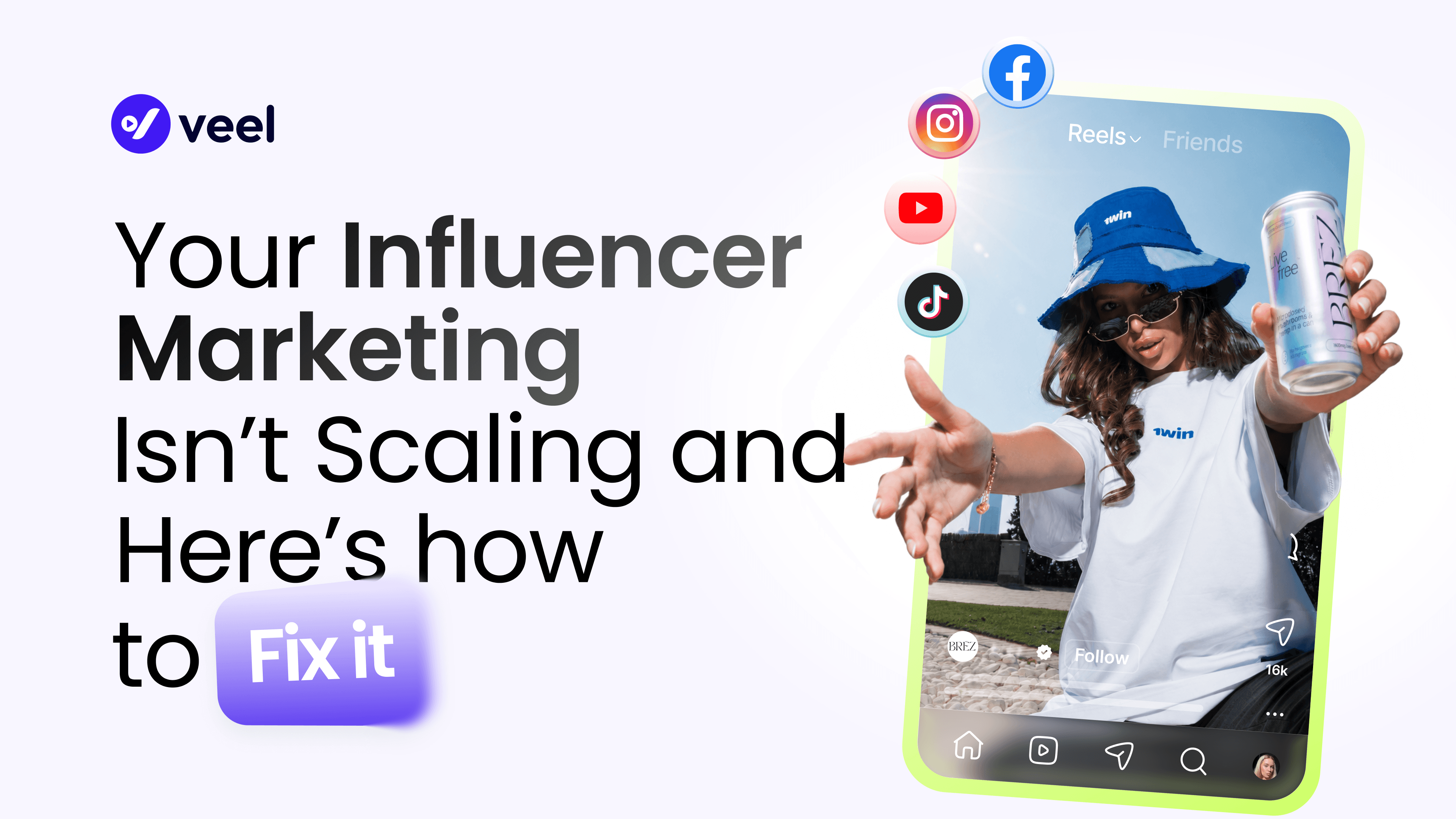
Influencer marketing has become an essential part of how brands reach new audiences. From product launches and brand awareness campaigns to user-generated content and performance marketing, creators now play a role across almost every stage of the customer journey.
But as brands increase their investment in creator marketing, a new challenge is becoming increasingly visible: scaling these partnerships without losing relevance, consistency or measurable results.
Finding creators is no longer the hardest part. Managing them effectively is.
The scaling problem in influencer marketing
Expanding an influencer marketing program sounds straightforward. A brand identifies successful creators, increases its campaign budget and brings more creators into the process.
However, what works in one market does not necessarily work in another.
A creator who performs exceptionally well with a particular audience may not have the same influence elsewhere. Cultural preferences, content formats, language and purchasing behavior can vary significantly across markets.
A November 2026 report by MarketingTech, Why Influencer Marketing Stops Scaling and How to Fix It, highlights three recurring challenges: copying the same campaign playbook across markets, selecting creators primarily through follower counts, and measuring campaign performance inconsistently.
These challenges point to a bigger issue. Brands need more than access to creators. They need a repeatable system for managing creator relationships and content operations.
1. Follower count is no longer enough
For years, follower count was one of the easiest ways to evaluate an influencer partnership.
A larger audience often appeared to mean greater visibility. But reach alone cannot explain whether a creator is relevant to a brand or whether their audience trusts their recommendations.
A smaller creator with a highly engaged niche community may be more valuable to a brand than a larger creator with a less relevant audience.
Brands should evaluate creators based on several factors:
- Audience relevance and demographics.
- Content quality and storytelling style.
- Engagement and audience interaction.
- Niche expertise and credibility.
- Previous brand collaborations.
- Performance against campaign objectives.
According to Sprout Social's 2026 Influencer Marketing Report, reach is increasingly influenced by interest-based distribution rather than simply the number of followers a creator has.
This makes creator selection more strategic. Brands need to consider who can influence the right audience, not simply who has the largest following.
2. Scaling globally requires local relevance
One of the biggest mistakes brands make when expanding internationally is assuming that a successful campaign can simply be translated into another market.
It cannot.
A beauty campaign that resonates with consumers in the United States may require a completely different creative approach in Southeast Asia. Humor, language, product preferences and cultural references influence how audiences respond to content.
This is why localized creator partnerships matter.
Working with creators who understand their communities helps brands communicate in a way that feels natural rather than forced. A scalable influencer strategy should combine a consistent brand direction with locally relevant creators and content.
The objective is not to make every market look identical. It is to maintain a recognizable brand while allowing the content to connect with different audiences.
3. Campaign management becomes more complicated as creators increase
Managing five creators is very different from managing fifty.
As creator programs expand, marketing teams often find themselves coordinating briefs, deliverables, approvals, content revisions, usage rights, payments and campaign reporting across multiple tools.
This creates unnecessary operational friction.
A centralized creator management workflow can help brands organize campaigns, coordinate collaborations and keep content accessible throughout the process.
Rather than treating every collaboration as an independent activity, brands should build a repeatable process:
- Define campaign objectives and audience.
- Discover creators who match the campaign.
- Share clear briefs and deliverables.
- Manage content submissions and approvals.
- Organize approved content and usage rights.
- Track performance and identify opportunities for improvement.
The more structured the process, the easier it becomes to scale without overwhelming marketing teams.
4. Better measurement leads to better decisions
Another major challenge is understanding what creator marketing actually delivers.
Views and likes can indicate attention, but they do not always explain the business impact of a campaign.
Brands should establish clear objectives before launching a creator partnership.
For example:
- Awareness campaigns should evaluate reach, impressions and brand discovery.
- Engagement campaigns should evaluate meaningful audience interactions.
- Traffic campaigns should measure clicks and visits.
- Performance campaigns should evaluate conversions and attributable revenue where tracking is available.
The Association of National Advertisers' influencer measurement findings, reported by Marketing Dive, highlight how difficult measurement remains for marketers.
A shared measurement framework helps teams compare campaigns, understand what works and make more informed investment decisions.
5. Technology is becoming essential to creator marketing
As creator marketing grows, managing the entire process manually becomes increasingly difficult. This is where technology can make a meaningful difference.
Brands need solutions that bring creator discovery, campaign management, content workflows, payments and performance measurement together. Veel approaches this challenge through an integrated creator marketing platform.
With Veel, businesses can discover creators, launch UGC and influencer campaigns, manage collaborations, organize creator content and monitor campaign performance. Its Creator Campaigns bring different collaboration formats into one workflow, including UGC campaigns, influencer campaigns, long-term partnerships and public campaigns.
The platform also supports global creator payouts, content management and performance analytics, helping marketing teams reduce the operational work involved in running creator programs.
For brands that want to go beyond content production, Veel also supports affiliate marketing workflows, connecting creator partnerships with tracked sales and commission-based payouts.
Explore Veel Creator Campaigns and Performance Analytics.
The future is not about working with more creators
Influencer marketing is entering a more operationally mature phase. Brands that succeed will not necessarily be those working with the largest number of creators. They will be those building stronger creator relationships, producing relevant content and understanding what their investments deliver.
Creator discovery is only the beginning. The real opportunity lies in building an ecosystem where creators, content, technology and performance work together. Because scaling influencer marketing should not mean multiplying the workload. It should mean building a better system for growth.
Final thoughts
The next generation of influencer marketing will be defined by relevance, authenticity and measurable performance. Brands that invest in the right infrastructure today will be better positioned to build lasting creator relationships tomorrow.
With the right technology, creator marketing can become more than a collection of campaigns. It can become a consistent growth channel.
Scaling Influencer Marketing FAQs
Why does influencer marketing stop scaling?
Influencer marketing often stops scaling when brands copy the same campaign playbook across markets, choose creators mainly by follower count, and measure performance inconsistently. Managing more creators across multiple tools also adds operational friction.
How do I choose creators beyond follower count?
Evaluate audience relevance and demographics, content quality, engagement, niche expertise, previous brand collaborations, and performance against campaign objectives.
How do I scale influencer marketing across different markets?
Combine a consistent brand direction with locally relevant creators and content. Cultural preferences, language, content formats, and purchasing behavior vary by market, so a campaign should not simply be translated.
How do I measure influencer marketing performance?
Set clear objectives first. Evaluate reach and impressions for awareness, meaningful interactions for engagement, clicks and visits for traffic, and conversions and attributable revenue for performance campaigns where tracking is available.
Comments
Want to join the discussion?
Comments come from our Discord community.