
Richa TandukarJuly 24, 2026
From “Where Did You Get That?” to “I Just Bought It”: The Rise of Creator Affiliate Marketing
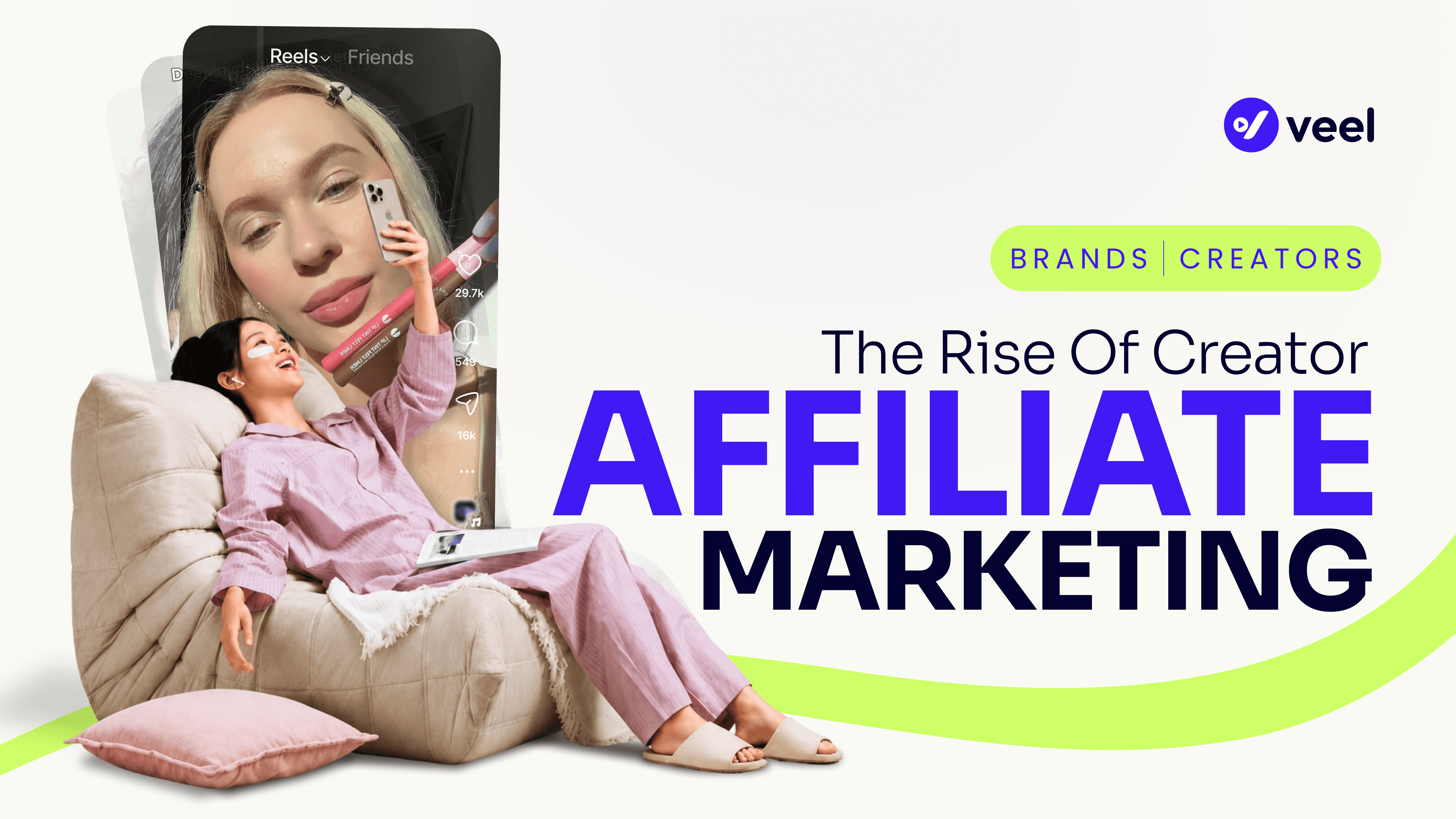
A creator is filming a video in her bedroom. There is no studio setup. No production crew. No carefully scripted television commercial. Just a phone, a product, and an audience that has chosen to follow her because they trust her perspective.
She is sharing her morning skincare routine when she picks up a moisturizer.
“I've been using this for the last few weeks, and honestly, I really like it.” That is all she says.
The video goes live, and someone comments a few hours later, “Where is that moisturizer from?” Another person asks, “Can you share the link?” Someone else even saves the video to come back to later.
A few people click the link while some use the creator's discount code and others purchase the product.
As the purchase is being made, the creator earns a commission, while the brand makes sales simultaneously. And with that, the audience discovers a product they were not necessarily searching for when they opened the app.
This simple moment captures something much bigger happening across the internet: the way people discover and buy products is changing.
Affiliate marketing has always been about connecting recommendations to sales. But as more product discovery happens through creators, video, and social platforms, a new form of affiliate marketing is becoming increasingly important: creator affiliate marketing.
The Change in Product Discovery
For years, the traditional path to purchase was relatively straightforward. Someone needed a product, searched for it, compared different options, and eventually made a purchase.
Today, that journey can begin somewhere completely different.
It can start with a TikTok video. An Instagram Reel. A YouTube review. A creator's newsletter. A livestream. A casual recommendation from someone whose content a person watches every day.
The audience may not have been shopping at all. They may have opened an app to watch a video, learn something, or simply pass a few minutes. Then they see a product.
The creator explains how they use it. They show it in context. They share an opinion. The audience becomes curious.
The journey is no longer simply:
Search → Product → Purchase
It is increasingly:
Content → Discovery → Trust → Consideration → Purchase
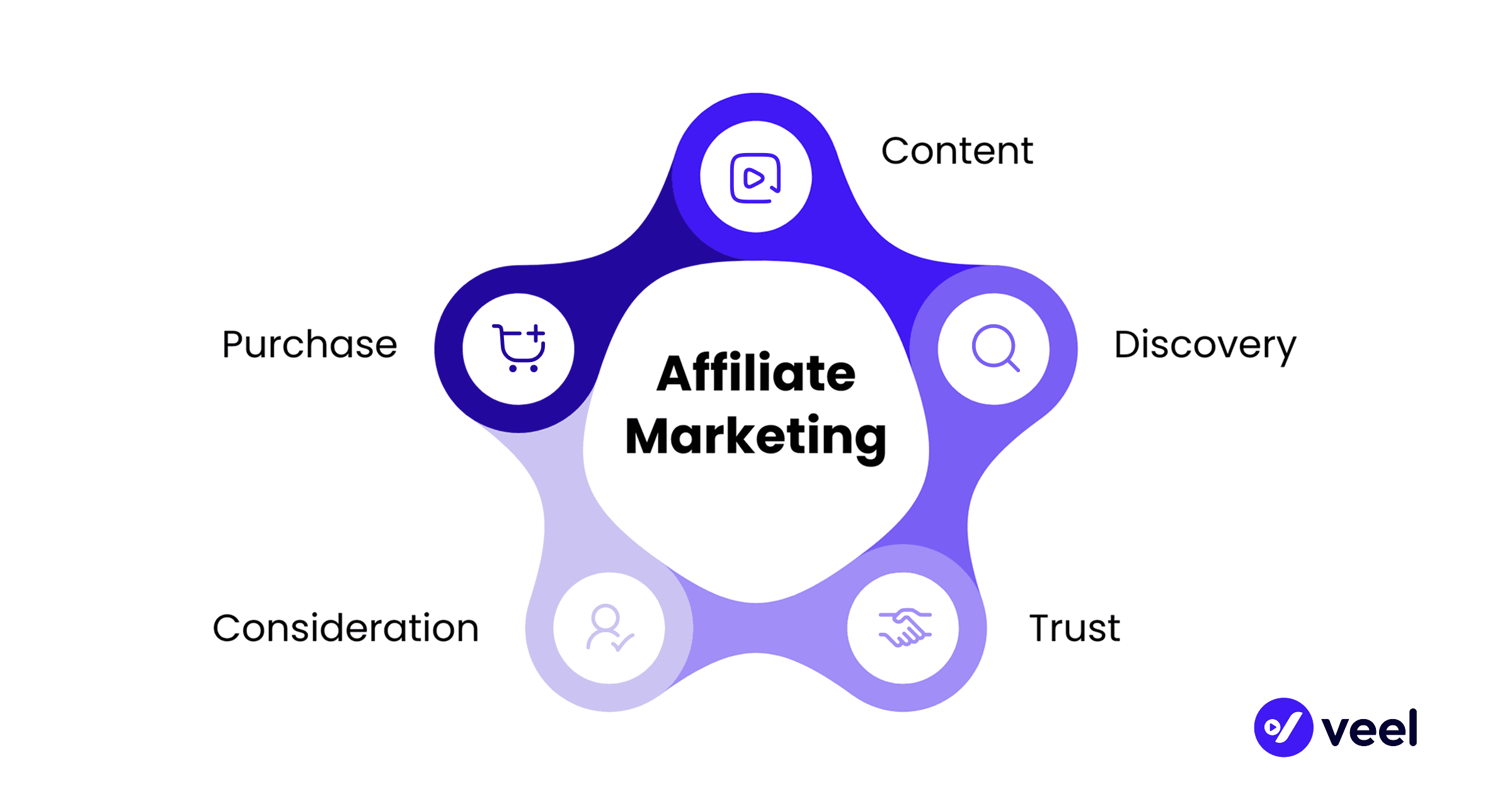
That shift is at the heart of creator affiliate marketing.
The creator is not simply distributing a link. They are creating the moment when the product becomes relevant.
The Link Is the Last Step, Not the Whole Story
The part everyone measures is the click: someone taps a link or enters a code, and a sale gets attributed to a creator. But that click is downstream of a lot of invisible groundwork - the 30-second video someone watched, the months they've spent following that creator, the hundreds of other posts that built the trust making the recommendation feel credible in the first place.
That invisible layer is what separates creator affiliate marketing from a coupon-site link. A product page can tell you what something does. A creator can show you what it's actually like to use it which is a harder thing for a competitor, or an algorithm, to replicate.
A Real Example: Turning a Review Into a Sales Channel
Say a tech creator reviews a new pair of headphones , ten minutes on sound quality, design, who it's actually for. At the end, they drop a unique affiliate link.
- The video gets 100,000 views
- About 8,000 people visit the product page
- Roughly 600 people buy the headphones
- The creator earns a commission on every one of those 600 sales
That funnel : views → clicks → purchases → commission — is what turns a single review into a measurable, repeatable sales channel, and it's the data brands increasingly want before they'll commit budget to a creator partnership.
A Creator Can Turn a Recommendation Into a Sales Channel
Imagine a technology creator reviewing a new pair of headphones. They spend ten minutes testing the sound quality, comparing the design, and explaining who the product is best for. At the end of the video, they share a unique affiliate link.
The video receives 100,000 views.
That is a meaningful number. It tells the brand that the content reached a large audience. But the more interesting story begins after the views.
Perhaps 8,000 people visit the product page.
Perhaps 600 people purchase the headphones.
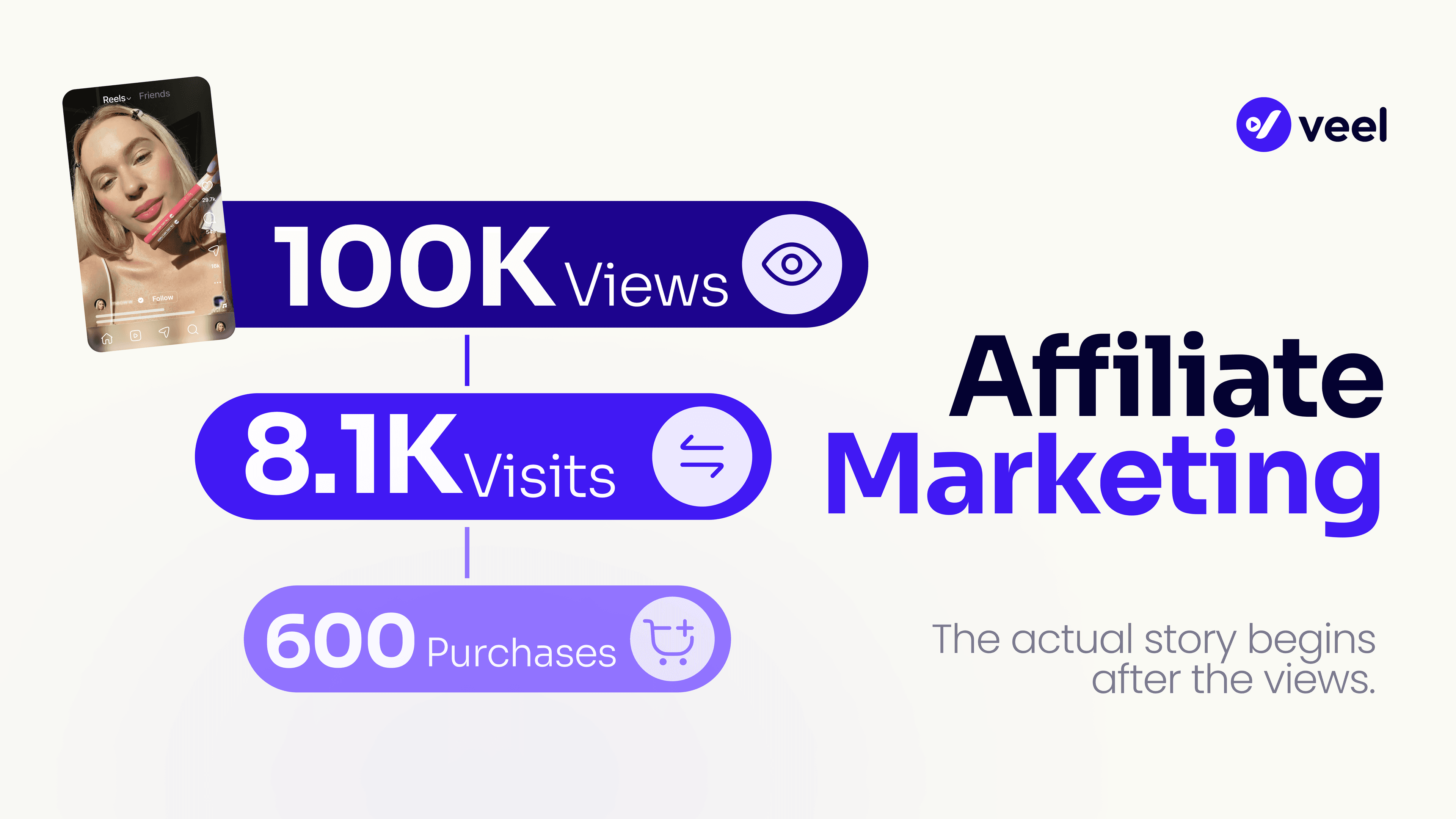
Perhaps the creator earns a commission on those sales.
Now the brand has a clearer understanding of the partnership's commercial impact. It can see not only that the creator generated attention, but also that the content influenced measurable action.
The creator, meanwhile, has another way to monetize the content they have already created. This is one of the reasons creator affiliate marketing is becoming such an important part of the wider creator economy. The value of a creator is no longer limited to the size of their audience.
It can also be reflected in what their audience does.
The Biggest Shift in Influencer Marketing Is Happening After the Post
For a long time, brands evaluated influencer marketing through metrics such as reach, impressions, views, and engagement.
These metrics remain important. A creator who can introduce a brand to a large and relevant audience can create significant value.
But brands are increasingly asking a second question:
What happened after people saw the content?
Did they search for the product? Did they click? Did they use the creator's discount code? Did they make a purchase? Did the creator generate revenue?
This is where affiliate marketing and influencer marketing begin to overlap.
Creator affiliate marketing gives brands a way to connect the storytelling power of creator content with measurable performance. A creator can be paid for creating the content and also earn a commission when that content drives sales.
The partnership can therefore reward two different kinds of value: the creative value of producing the content and the performance value of influencing a purchase.
For creators, that can mean more opportunities to monetize their work.
For brands, it can create a clearer connection between creator investment and business results.
The Numbers Behind the Shift
The growth of the creator economy is making this model increasingly difficult for brands to ignore.
The global influencer marketing industry has grown into a market worth more than $30 billion, according to industry estimates. At the same time, brands are continuing to invest more heavily in creator partnerships as consumers spend more time discovering products through social and video content.
But the most important number for any individual campaign may not be the size of the industry.
It may be the number of sales generated by one creator. A creator with 50,000 highly engaged followers may drive more revenue for a brand than a creator with 500,000 followers whose audience is less connected to the product. That is why performance data is becoming increasingly important. Reach can tell how many people saw the content. Affiliate attribution can help show what happened next. Together, these measurements create a more complete picture of creator marketing.
The Future of Affiliate Marketing May Be More Human
And it’s true. Here’s what we need to know:
- Technology makes tracking possible.
- Unique links help attribute clicks.
- Discount codes help connect purchases to creators.
- Analytics help brands understand performance.
- Commission systems help creators get paid.
But the reason creator affiliate marketing works is much more human.
People trust recommendations. They want to see products in real situations. They want to understand whether something is actually useful before spending money on it. Creators can provide that context in a way traditional advertising often cannot. The future of affiliate marketing may therefore be less about placing more links in more places. It may be about creating better connections between the right creator, the right product, and the right audience.
The Next Affiliate Marketing Story Starts With the Creator
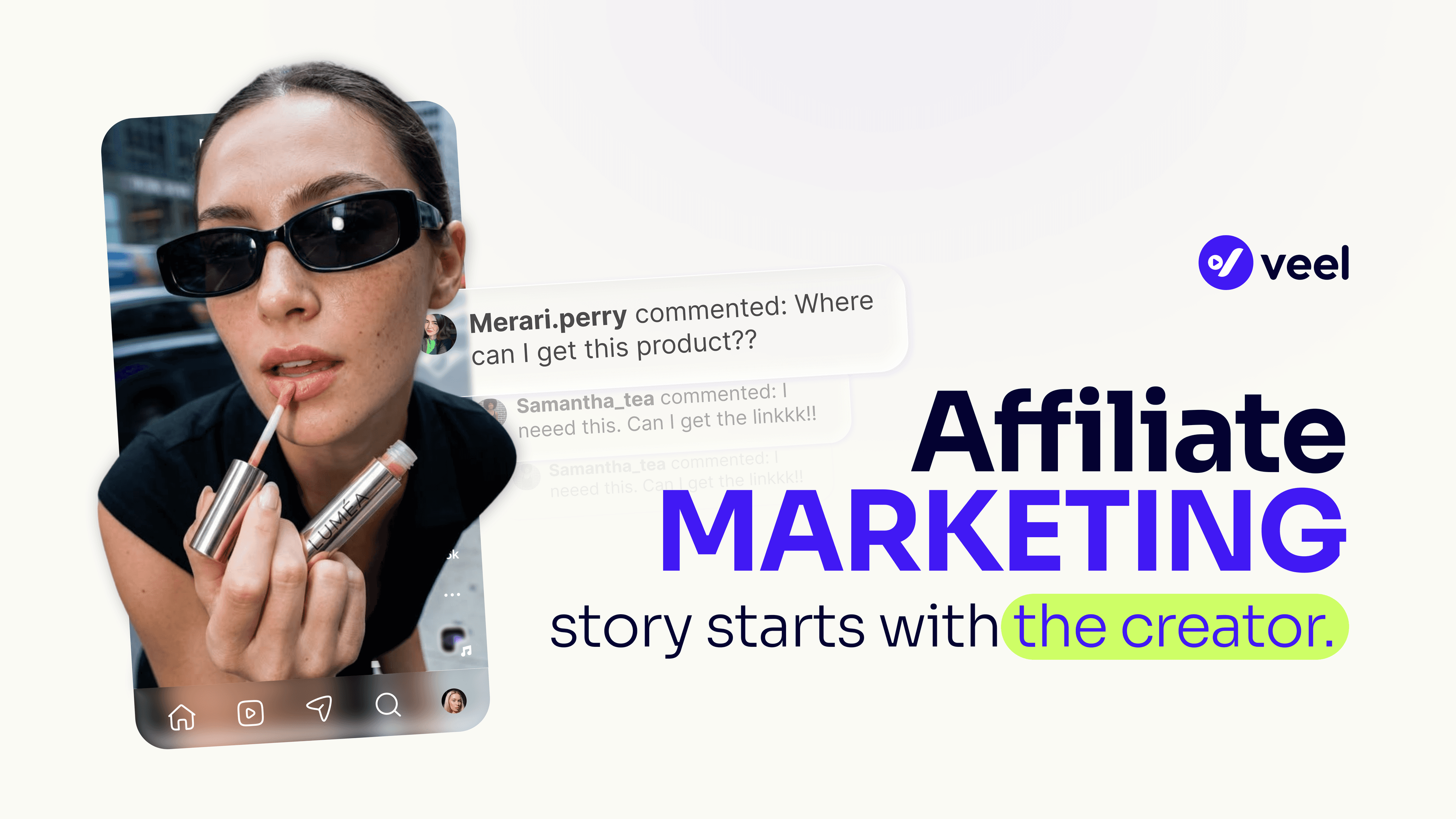
The affiliate link may be the part of the journey that gets tracked. But the story begins much earlier. It usually begins when a creator introduces a product, and continues when an audience becomes curious; it turns curiosity into consideration.
A link or discount code makes the next step easy.
A purchase creates a measurable result.
The creator earns.
The brand grows.
And the audience discovers something new.
That is the evolution of affiliate marketing.
It is moving from static links and traditional publisher websites into a world of creators, video, communities, and social commerce.
The future of affiliate marketing will not simply be about who can generate the most clicks.
It will be about who can create the strongest connection between:
Content, trust, discovery, and action.
And increasingly, that connection will begin with a creator.